¿Cómo se calcula el peso nominal de un pedido mixto de parches herbales?
July 29, 2026Ficha de especificación para parches de marca privada: tamaño, forma y empaque
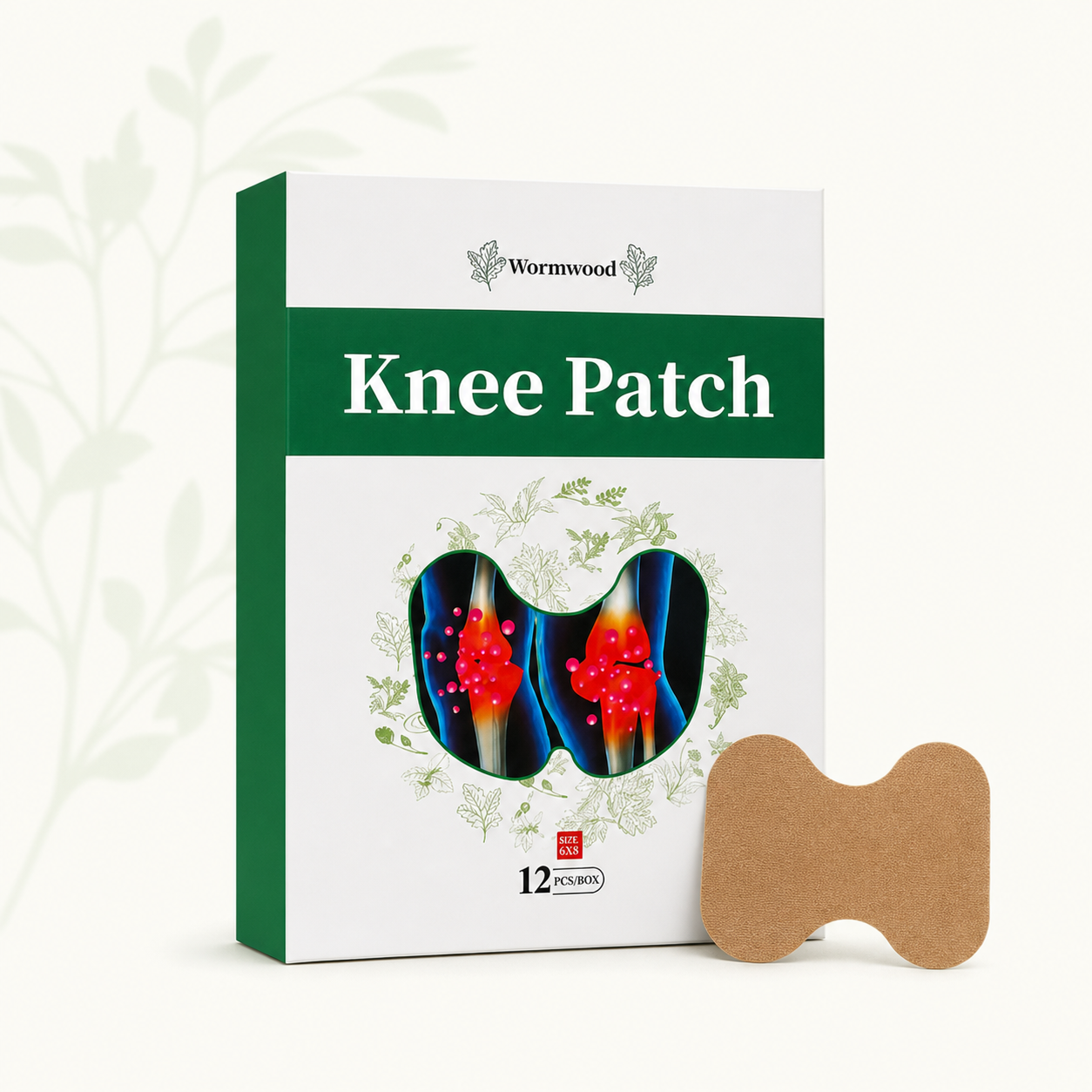
July 29, 2026Conclusion first: a private label herbal patch artwork file should not begin with graphics alone. The buyer and supplier first need one approved specification covering product type, patch size, units per retail pack, packaging language, logo, color, shape and destination market. The supplied AnTie Family material presents formula, color, size, shape, logo and packaging as customizable options, but availability, minimum order quantity and final price must be confirmed for each project.
What should be locked before artwork starts?
| Decision | Buyer input | Why it matters |
|---|---|---|
| Product and format | Patch type, size and shape | Determines the correct dieline and usable label area |
| Retail configuration | Units per box or bag | Prevents the front panel and quantity statement from conflicting |
| Market language | Required language set and destination | Defines copy space and review responsibility |
| Brand elements | Logo files, colors and brand rules | Reduces avoidable artwork revisions |
| Approval owner | Named person and version number | Creates one traceable final confirmation |
Use a one-page artwork input sheet
A distributor can convert the decisions above into a controlled input sheet. For example, if a project uses 12 patches per box, three languages and two retail-box color versions, record each combination as a separate SKU. The planning count is:
Artwork versions = product formats × language versions × color versions.
In this example, 1 × 3 × 2 = 6 artwork versions. This is a planning example, not a production quotation. The supplier must confirm whether multilingual panels or shared components can reduce the number of versions.
Buyer execution checklist
- Confirm the exact patch product, dimensions and retail pack count.
- Send editable logo artwork and a color reference.
- List every language required on the retail pack.
- Identify who supplies and approves product wording.
- Request the correct packaging dieline before final layout.
- Use a version code and date on every approval PDF.
- Confirm customization availability, MOQ and price for the specific project.
How this fits the purchasing process
The source material presents a seven-step flow: inquiry, quotation, payment, design, final confirmation, production and delivery. Artwork inputs should therefore be discussed during inquiry and quotation, then frozen at final confirmation. Buyers needing the broader service sequence can review the herbal patch OEM and ODM overview, compare supplier questions in the distributor guide, and send the completed brief through the contact page.
Frequently asked questions
Can the logo, color and packaging be customized?
The supplied material presents these as customizable options. Feasibility and commercial terms still require project-specific confirmation.
Should the buyer design before receiving a dieline?
No. Request the packaging structure and current dieline first so important text does not enter folds, seals or cut areas.
Is there one universal MOQ for custom artwork?
No verified universal MOQ is available in the supplied material. Ask for the MOQ tied to the chosen product and packaging format.
Who approves label wording?
The quotation brief should name the responsible buyer-side reviewer and define which supplier inputs are required. Destination-market requirements need independent confirmation.
Summary: treat artwork as a controlled purchasing specification. Lock the format, pack count, languages, branding, version ownership and project-specific commercial terms before final approval.
